Why your base matters 🧟♂️
In Project Zomboid, your base isn’t just a place to stash loot - it’s your lifeline. Whether you’re surviving solo or with friends, the right base can mean the difference between thriving and becoming zombie lunch.
A well-designed base gives you safety, storage, and sustainability. With a smart setup, you can turn a simple safehouse into a fully functioning fortress.
Step 1: Choose the right location 📍
Not every house is built to survive the apocalypse. Think strategically about where to settle:
🏠 Urban safehouses
- Great for easy access to supplies, vehicles, and loot.
- But - high zombie density and limited escape routes.
- Best for short-term survival or early-game setups.
🌲 Rural bases
- Quiet, spacious, and easy to defend.
- Plenty of room for farming and expansion.
- Fewer zombies, but also fewer resources.
🚛 Industrial zones
- Warehouses, factories, and depots offer strong walls and huge storage.
- Great for team play and long-term logistics.
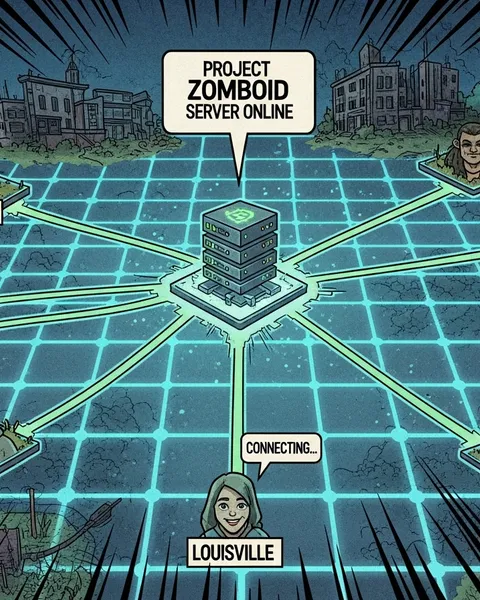
💡 Pro tip: The Rosewood Fire Station and Louisville Storage Facility are popular choices for multiplayer servers - solid walls, vehicle space, and easy fortification.
Step 2: Secure the perimeter 🔒
Your first priority after claiming a spot? Keeping the dead out.
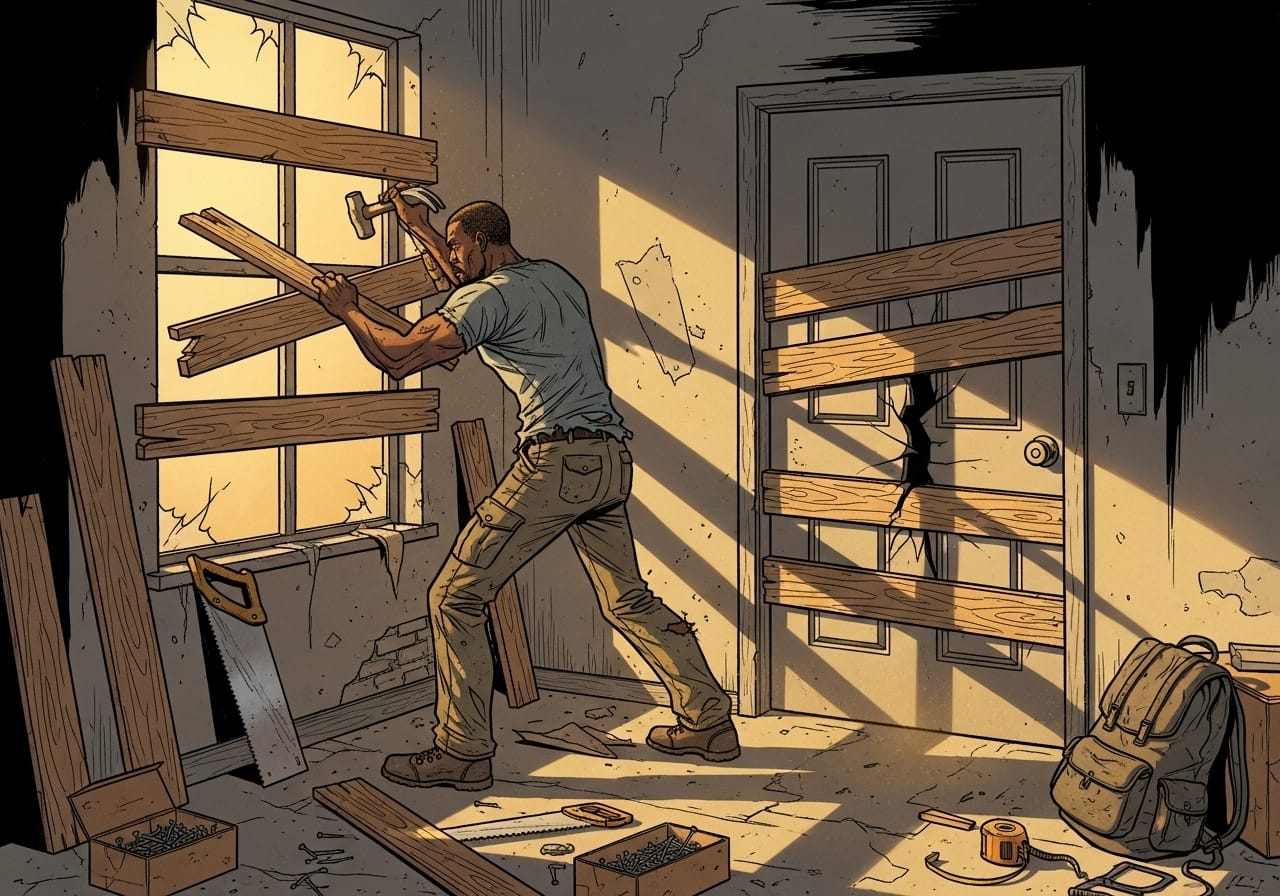
- Barricade windows and doors with planks or metal sheets.
- Build walls and fences using carpentry or metalworking skills.
- Clear vegetation to improve visibility.
- Set up escape ladders or sheet ropes for alternate exits.
🧱 Tip: Mix wood and metal barricades - metal is stronger, but wood is easier to repair in emergencies.
Step 3: Plan your layout 🧭
Organisation saves lives (and time). Keep your base efficient and logical:
| Area | Purpose | Tips |
|---|---|---|
| Storage Room | Store weapons, food, and crafting items | Use labelled crates to avoid confusion |
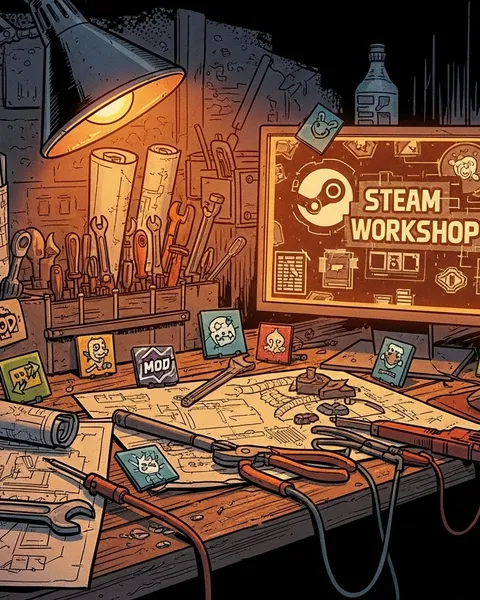
| Workshop | Crafting and repairs | Place near main entry for easy supply drop-offs |
| Farm or Garden | Sustainable food supply | Rooftops and clear lots work best |
| Sleeping Area | Safe rest zones | Always have at least two escape routes |
| Garage or Yard | Vehicles and maintenance | Keep cars parked for quick getaways |
🧠 Pro tip: Always build with expansion in mind, you’ll outgrow your first setup faster than you think.
Step 4: Power, water, and sustainability ⚙️
Long-term survival means planning for when utilities fail.
- Rain collectors: Essential once water shuts off. Place multiple, preferably elevated for gravity-fed systems.
- Generators: Power fridges, lights, and freezers but keep them outside to avoid carbon monoxide poisoning.
- Farming: Plant cabbage, potatoes, and tomatoes - they’re fast, reliable crops.
- Composting: Turns rotten food into fertiliser, waste nothing!
🌦️ Tip: Protect generators with walls or fences to avoid accidental destruction by zombies or players.
Step 5: Defence and deterrence 🔫
Zombies never stop coming, especially on multiplayer servers.
- Set traps and alarms to draw them away.
- Use noise strategically - generators or car horns can lure zombies into kill zones.
- Keep your shooting range outside the main base to avoid accidental noise attractors.
🔥 Pro tip: Use second floors for defence. Zombies can’t climb, giving you perfect vantage points for sniping and spotting hordes.
Step 6: Coordinate in multiplayer 👥
On servers, a base is only as strong as its team.
- Assign roles - one player builds, another farms, another scavenges.
- Use Discord or in-game radios to stay in touch during raids or emergencies.
- Create shared storage with labelling to prevent resource hoarding.
💬 Pro tip: Build a “community board” in your safehouse, signs or notes for team goals and supply lists work wonders for organisation.
Step 7: Keep it clean and repaired 🧹
Neglect kills.
- Regularly inspect barricades and walls for damage.
- Move decaying corpses far away, they attract flies and tank FPS.
- Rotate perishable items to avoid waste.
- Clean blood for better morale (and visibility).
🧱 Bonus: Routine maintenance sessions keep the team engaged and your base running at peak efficiency.
Step 8: Expand your safehouse network 🌐
Once your main base is stable, establish outposts across the map:
- Loot bases for specific supplies (food, weapons, car parts).
- Emergency shelters with spare tools and fuel.
- Scouting stations for future expansions.
💡 Pro tip: Connect bases with vehicles and safe roads, it turns a survival map into a shared ecosystem.
Final thoughts 💭
Building a strong base in Project Zomboid isn’t about luxury, it’s about smart survival. A good layout, clean resource flow, and reliable defences can keep you alive for hundreds of in-game days.
Whether you’re a solo survivor or part of a thriving server, your safehouse is your story. Keep it organised, keep it secure, and make it somewhere worth fighting for.
If you’re hosting your world on ChipHead, you’ll have the stability and performance needed to support big multiplayer bases without lag, so you can focus on surviving, not stuttering. 🧱🧟♂️